
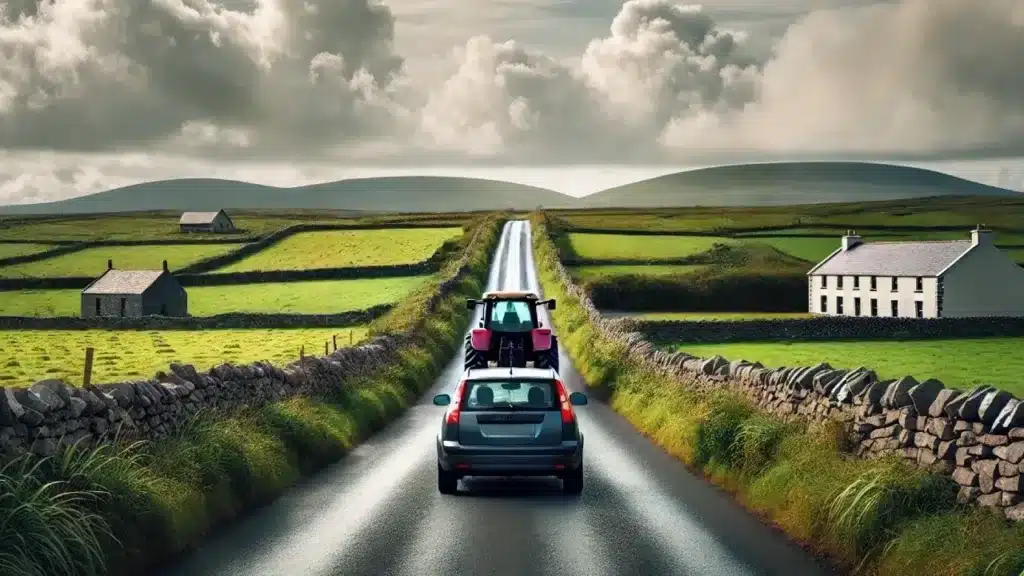
The rural roads of Northern Ireland link our towns, farms and many other communities. Even though these are normal features of our rural landscape, they pose certain risks to motorists in that they may have to deal with agricultural vehicles. Some of the most common vehicles used in farming include tractors, combine harvesters, and livestock trailers which each present risks if not handled with care. Here you will find useful information on how to avoid accidents and what to do in case of an accident with agricultural machinery.
Why Rural Roads Pose Risks
If you’ve ever driven through Northern Ireland’s countryside during planting or harvesting season, you’ve probably noticed a lot of agricultural vehicles about. While there’s no doubt that they’re really important for farming, they can make driving on rural roads more challenging. Here are a few key reasons why:
- Large and Slow-Moving: Tractors and trailers typically move much slower than regular cars which can make overtaking a bit tricky.
- Wide Loads: Ever tried passing a tractor carrying a plough? This wide equipment will likely reduce the space that is available for other vehicles.
- Mud and Debris: After farm vehicles pass through, they often leave mud on the roads. When it rains, this can turn into a rather slippery mess.
- Blind Corners: Winding rural roads with poor visibility can make it hard to spot slow moving cars in time.
By keeping these risks in mind and adjusting your driving, you can help prevent accidents!
Tips for Driving Safely Around Agricultural Vehicles
Sharing the road with farm vehicles doesn’t have to be too stressful if you take a few precautions. Here are some tips you might find useful:
- Be Patient: It might feel frustrating when you’re stuck behind a tractor, but most of the time, they’re only on the road briefly. Remember to stay cautious. Don’t overtake unless you’re 100% sure it’s safe.
- Slow Down: During busy farming seasons, it’s often a great idea to reduce your speed on rural roads. It’s important because it’ll give you more time to react if you encounter a slow or wide vehicle.
- Keep Your Distance: The truth is, farm vehicles don’t handle like cars. They could stop sharply or turn unexpectedly into a field. So it’s a good idea to keep a safe gap that can save you from a collision.
- Watch for Signals: Drivers of farm vehicles often rely on hand signals or unconventional lighting. So it’s important that you stay alert as they might well be turning even if there’s no indicator flashing.
- Be Careful on Muddy Roads: It’s best to think of it this way: if the road looks muddy, treat it like it’s icy. Best thing you can do is drive slowly and avoid sudden braking.
What to Do After an Accident
Collisions with agricultural vehicles don’t happen often, but when they do, it’s important to stay calm and follow these steps:
- Ensure Safety First:
- Pull over to a safe spot if you can, and switch on your hazard lights.
- Check yourself and any passengers for injuries and call for emergency help if necessary.
- Notify Authorities:
- It may be necessary to contact the PSNI. They can provide a report that’ll be useful for insurance claims.
- Gather Evidence:
- Take photos of everything. This could include damaged vehicles, road conditions and anything else you think might be relevant.
- Get the contact details of the other driver and any witnesses who might have seen what happened.
- Seek Medical Attention:
- Even if you feel fine, it’s a good idea to see a doctor. Many injuries don’t show up for days or weeks later
- Contact a Solicitor:
- Accidents involving agricultural vehicles can be complicated. Who owns the tractor? Was it maintained properly? A solicitor can guide you through these questions and help you get the compensation you deserve.
How Paschal O’Hare Solicitors Can Help You
At Paschal O’Hare Personal Injury Solicitors, we helped with many different kinds of agricultural vehicle accidents. These cases often require knowledge of farming practices, road regulations, and insurance claims. Our team will:
- Offer solutions that are straightforward.
- Manage the communication process with the insurers and other people involved.
- Compiling evidence to bolster your case.
- Fight to secure compensation for injuries and other losses.
If you do experience an accident, our solicitors are here to guide you every step of the way. Contact us today for a free consultation.