
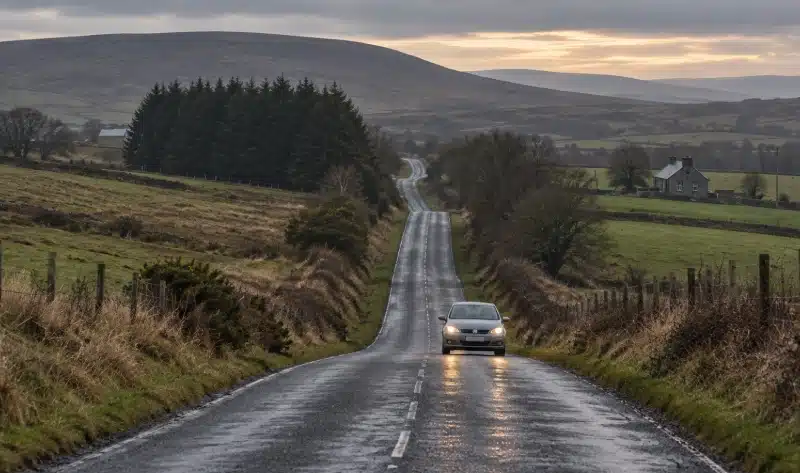
As November settles in, Northern Ireland’s roads take on a different character. With earlier sunsets and longer nights, driving becomes a bit more challenging. The drop in visibility during those darker evenings makes accidents more likely, so every driver needs to stay aware of the risks. Whether you’re heading home through the busy streets of Belfast or winding down a rural lane in Antrim or Tyrone, being mindful of these changes can make all the difference in keeping yourself and others safe.
Reduced Visibility: The Immediate Challenge
The most obvious effect of darker evenings is how much harder it becomes to see. When the light fades, spotting other cars, pedestrians, cyclists, and even road hazards can be tough, especially on those rural roads where streetlights are few and far between.
Think about pedestrians wearing dark clothes—almost invisible in the dim light—particularly in small villages or quieter suburban areas. Cyclists, even those with reflective gear, can be easy to miss. This means drivers need to slow down and stay more alert than usual, especially in poorly lit areas.
The Stress of Commuting in the Dark
For many of us, the evening commute now happens under cover of darkness. Rush hour coincides with nightfall after the clocks roll back in late October, making roads like the M1, M2, and A1 especially busy.
Navigating heavy traffic in low light is a recipe for stress. The mix of poor visibility and bumper-to-bumper vehicles can make reaction times slower and accidents more likely. Tailbacks and sudden stops are all too common, so keeping a safe distance and being ready to react are key.
The Added Complication of Weather
Northern Ireland’s November weather can unfortunately be quite unpredictable—rain, fog, and even frost can show up without warning. Wet roads reflect headlights, creating glare that can make it harder to see. And fog? It can turn even the most familiar route into a nerve-wracking journey.
To handle these conditions, drivers need to slow down, keep more distance between vehicles, and know when to use their fog lights. Being ready for a sudden change in the weather can go a long way toward staying safe.
Tips to Stay Safe on the Road
Here’s how to navigate the darker evenings more safely:
- Check Your Lights: Make sure all your lights—headlights, brake lights, indicators—are in top shape. Properly adjusted headlights can help you see better without dazzling other drivers.
- Slow Down: Giving yourself more time to react is crucial, especially on winding rural roads where unexpected obstacles are common.
- Be Reflective: If you’re a pedestrian or cyclist, wear reflective clothing. It’s a simple way to make sure drivers can see you. And if you’ve got kids walking home, reflective items on their bags can be a lifesaver.
- Stay Alert: Fatigue hits harder during the darker months. Get enough rest before you drive and take breaks during long trips.
- Keep Windows Clean: A dirty windscreen can make headlight glare worse, cutting down your visibility even further.
Reach out to Paschal O’Hare Solutions for Help
As we adjust to the darker evenings of November, staying safe on the road means adapting how we drive. Whether you’re an experienced driver or just starting out, being mindful of the risks and making a few changes can help keep everyone safer. Remember, road safety is something we all share responsibility for—stay alert, be considerate, and always put safety first.
If you’ve been in a car accident and need legal advice, Paschal O’Hare Solicitors are here to help you navigate your claim and get the compensation you deserve. Stay safe out there!