
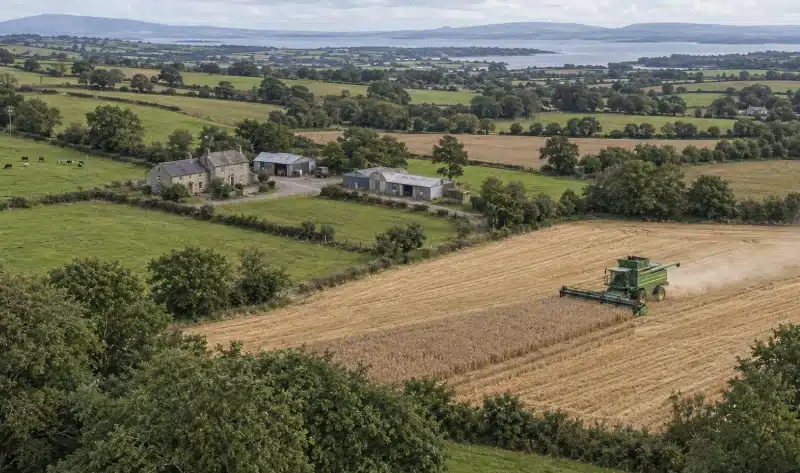
Autumn is one of the busiest periods for the farming sector in Northern Ireland. Harvesting crops, tending to livestock and preparing for winter demand long hours and heavy physical work, and the injury rate on farms rises accordingly.
This piece sets out the injuries that appear most often on Northern Irish farms at this time of year, along with the steps that reduce them. It is written for farmers, farmworkers and their families, not as legal advice on any particular claim.
Common Autumn Farm Injuries
1.Machinery Accidents
Harvest brings tractors, combine harvesters, balers and trailers into constant use, often across long working days. Operating this machinery carries real risks, and those risks increase when maintenance slips because of time pressure.
- Keep machinery serviced and in good working order, even in the busiest weeks.
- Only allow trained individuals to operate complex equipment.
- Never remove safety guards, and follow the manufacturer's guidelines.
2.Slips, Trips and Falls
Wet and muddy conditions are constant across a Northern Irish autumn. Yard surfaces, sloped concrete, stairs into lofts and the areas around gates all become slippery quickly.
- Wear non-slip boots suitable for wet conditions.
- Keep walkways clear of obstacles, debris and trailing cables.
- Light work areas properly, particularly for early-morning or late-evening tasks.
3.Animal-Related Injuries
Handling livestock becomes harder in colder weather, and animals may be more restless when they are moved into sheds or through unfamiliar areas.
- Watch for signs of agitation in cattle and other livestock before entering a pen.
- Use gates, races and restraints when the job requires them, rather than working around them.
- Avoid working alone with large animals wherever it can be avoided.
4.Overexertion and Fatigue
The demanding nature of farm work at this time of year leads to physical exhaustion, and tired workers make mistakes around powerful machinery and large animals. Fatigue is a factor in many of the injuries that are officially categorised under other headings.
- Take regular short breaks. Even ten minutes reduces the accumulated effect of fatigue.
- Stay hydrated and eat properly across the working day.
- Bring in extra help during peak weeks rather than trying to cover the workload alone.
5.Exposure to Hazardous Substances
Autumn tasks may involve pesticides, fertilisers, veterinary medicines and disinfectants. Each carries its own handling instructions, and shortcuts here can cause serious harm to skin, lungs and eyes.
- Read product labels carefully and follow the handling instructions for each substance.
- Use the protective equipment specified for the product, including gloves, masks and eye protection.
- Store chemicals in labelled containers, out of reach of children and animals.
Building a Culture of Safety
Preventing farm injuries is not only a matter of individual precautions. On farms where near misses are talked about openly and safe practices are modelled from the top down, injury rates are lower over time. That culture is built up gradually rather than in a single training session.
Three things that make a real difference
Open communication. Encourage reporting of hazards and near misses without blame. A near miss that gets discussed today is a serious injury avoided later in the season.
Regular refresher training. Keep safety practices current with everyone who uses the machinery or handles the livestock, including seasonal workers and family members helping out during harvest.
Lead by example. Farm owners and managers should model safe behaviour visibly. Cutting corners on PPE or bypassing guards sends a clearer message than any poster in the yard.
The Health and Safety Executive for Northern Ireland (HSENI) publishes farm safety guidance, including seasonal materials for harvest and livestock handling.
If You Have Been Injured on a Farm
Farm injury claims can be complex. Responsibility may lie with an employer, a contractor, the supplier of a piece of equipment, or in some cases more than one party. Where fatigue, inadequate training or a defective machine has contributed to the accident, that context is often central to the case.
If you or a family member has been injured while working in agriculture in Northern Ireland, our team can review the circumstances honestly and advise you on your options. Our page on farm accident claims sets out how these cases are typically handled.
Injured on a farm in Northern Ireland?
A free initial consultation will tell you honestly whether a claim is worth pursuing and what evidence matters most in a farming context.