
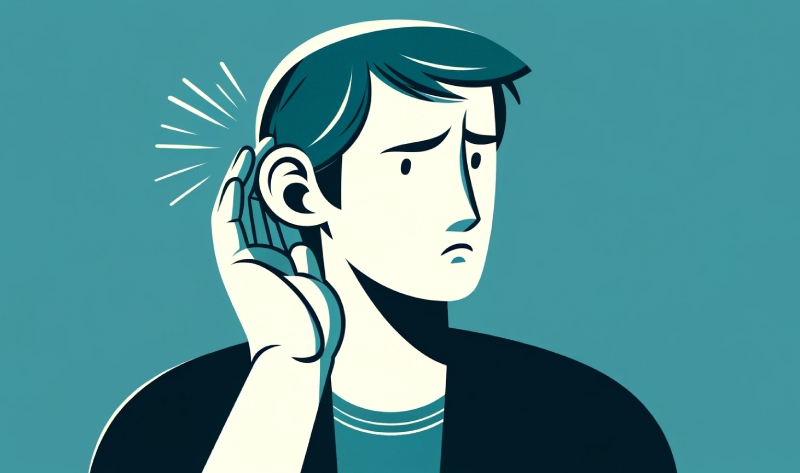
Noise-induced hearing loss is often subtle, developing so gradually that it can go unnoticed until it starts affecting daily life. According to RCGP figures, around 320,000 people in Northern Ireland live with some degree of hearing loss, much of it linked to age or noise exposure at work.
Here are eight signs worth paying attention to if you suspect your hearing may be deteriorating, particularly if you've spent years working around loud machinery, tools, or equipment.
Increasing the Volume on Devices
You might find yourself gradually turning the television or radio up louder than you used to. This becomes a new normal so slowly that you may not notice it yourself, even as others comment on it.
Margaret worked at Nortel for two decades and only realised her hearing was deteriorating when her children noticed the TV volume had crept up. Her claim settled for £7,500.
Difficulty Following Conversations
Regularly asking people to repeat themselves, or struggling to keep up in group conversations, is one of the most commonly reported signs of hearing loss. It can make social situations tiring, and it's easy to feel left out or to misread what's being said, especially in noisy or crowded settings.
Missing Calls, Doorbells, or Alarms
Regularly missing calls or not hearing the doorbell, particularly when you're close by, can point to a decline in your ability to pick up higher-pitched sounds, the frequency range many ringtones and bells fall into.
Turning Your Head to Hear Better
Some people with hearing loss unconsciously turn their head to favour their stronger ear. It's often an automatic adjustment rather than a deliberate one, a small habit that's worth noticing if people close to you point it out.
Ringing or Buzzing in the Ears
A ringing, buzzing, or hissing sound in the ears, especially noticeable in quiet settings like bedtime, is commonly linked to tinnitus. Tinnitus is often, though not always, associated with hearing loss, and it can make it harder to fall or stay asleep.
Howard developed tinnitus that disrupted his sleep after 15 years working with heavy machinery at Caterpillar NI Limited. He was awarded £34,000 in compensation.
Struggling to Hear on the Phone
Phone conversations rely entirely on sound, with no facial expressions or lip movements to fill in the gaps. If you've started avoiding phone calls or finding them harder to follow than they used to be, that's worth paying attention to.
Misjudging Where Sounds Are Coming From
Struggling to identify a sound or work out where it's coming from can be a subtler sign of hearing loss. It tends to show up as moments of confusion, realising afterwards you'd misread what was happening around you.
Withdrawing from Social Situations
When following conversations becomes effortful or uncomfortable, social occasions can start to feel like less of a pleasure than they used to. Over time, this can lead to withdrawing from gatherings altogether, which takes a toll on relationships and quality of life.
Albert's hearing loss went undiagnosed for years after decades working in factory roles without hearing protection. He only made the connection after seeing an advert for our hearing loss service. His claim settled for £3,492.
Get the Help You Deserve
Recognising these signs is the first step toward addressing potential hearing loss. It's worth speaking to a GP or audiologist early for a proper assessment, since the sooner it's picked up, the more options there are for managing it.
If your hearing loss may be linked to noise exposure at work, it's also worth finding out whether you have grounds for compensation. Our hearing loss department has helped people across Northern Ireland with claims stretching back decades, including cases where the employer no longer exists. A free consultation is the easiest way to find out where you stand.
Think your hearing loss may be work related?
Get in touch with our hearing loss team for a free, no-obligation discussion about your situation.